Prehospital Care
EMS CliniciansLeads
Kathleen Adelgais, MD, MPH
Rachael Alter, BA
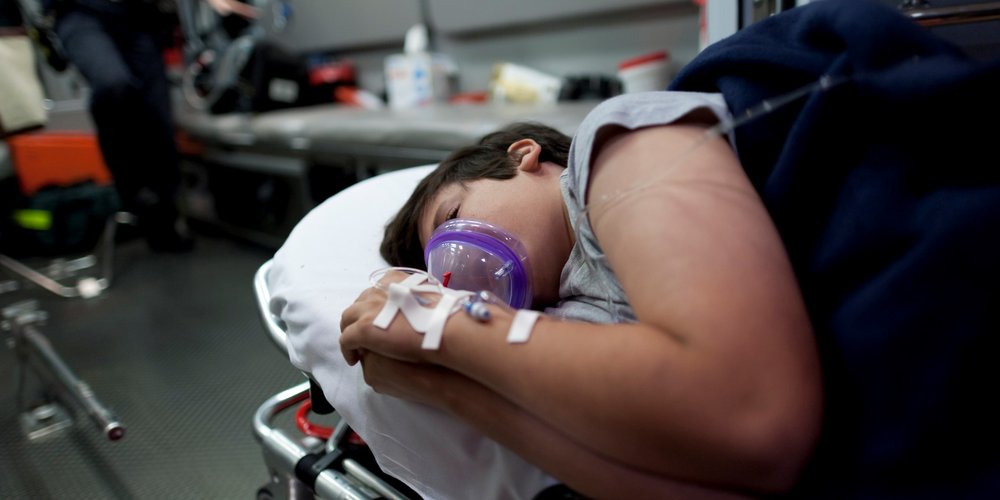
Pediatric incidents account for approximately 10% of all prehospital calls. The limited frequency of pediatric interactions results in clinicians being less familiar with – and often less confident in – providing pediatric care. Being “pediatric ready” can reduce anxiety for EMS clinicians and research suggests it may also improve patient outcomes.
The Emergency Medical Services for Children (EMSC) Program and EMSC Innovation and Improvement Center support EMS clinicians through the Prehospital Pediatric Readiness Project (PPRP), quality improvement collaboratives that reach prehospital providers, and development of prehospital clinical resources. Additionally, we participate in various national projects and collaboratives that deal with prehospital issues, including prehospital evidence-based guidelines, injury prevention, equipment guidelines, and safe transportation of children.
Tools & Resources

RESOURCES
Explore the Prehospital Pediatric Readiness Toolkit